

Introduction
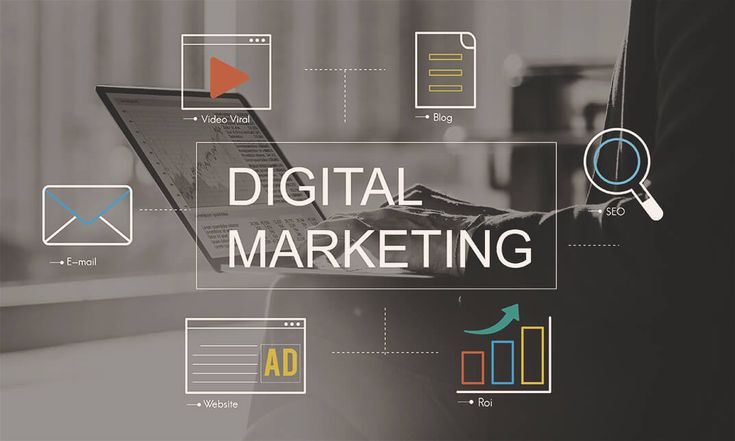
Digital marketing is rapidly evolving from human-led execution to AI-supported strategy and automation. What began as simple workflow automation has now matured into agentic systems—AI agents capable of making decisions, optimizing campaigns, and adapting in real time.
However, as organizations deploy multiple AI agents across advertising, content, analytics, personalization, and customer engagement, a new challenge emerges: coordination. Multi-agent orchestration is the strategic management of interconnected autonomous systems working together toward unified marketing goals.
Without orchestration, AI agents operate in silos. With orchestration, they function as a synchronized digital marketing team.
Understanding Multi-Agent Systems in Marketing
A multi-agent system consists of several autonomous AI agents, each assigned specific tasks. In digital marketing, these agents may include:
- Media buying agents adjusting bids dynamically
- Content generation agents producing campaign variations
- Analytics agents monitoring performance metrics
- Personalization agents customizing user experiences
- CRM agents managing customer segmentation
Individually, these agents can optimize their respective areas. Collectively, they can drive exponential performance—if aligned properly.
The challenge lies in preventing conflicting decisions and ensuring strategic coherence.
The Need for Orchestration
Imagine a scenario where:
- A media agent increases ad spend to drive traffic.
- A conversion agent reduces landing page complexity to boost sign-ups.
- A revenue optimization agent prioritizes high-margin products.
Without coordination, these decisions may clash. Increased traffic may not align with the products being promoted. Landing page adjustments may not reflect campaign messaging.
Multi-agent orchestration ensures that all AI systems operate under shared objectives, unified data streams, and centralized performance metrics.
Core Components of Effective Orchestration
Successful orchestration in digital marketing relies on several foundational elements.
Unified Strategic Goals
All AI agents must align with overarching KPIs such as revenue growth, customer lifetime value, or brand expansion. Clear goal hierarchies prevent isolated optimization.
Shared Data Infrastructure
Agents must access consistent, real-time data. Centralized data lakes or integrated analytics platforms ensure that each system works from the same information source.
Feedback Loops
Continuous feedback enables agents to learn from one another. If a content agent produces messaging that increases engagement, the media agent can prioritize promoting it.
Human Oversight
While AI agents can make autonomous decisions, human strategists provide ethical guidance, creative direction, and long-term vision.
Enhancing Content Distribution Through Orchestration
Multi-agent orchestration becomes particularly powerful in content marketing. For example:
- A research agent identifies trending industry topics.
- A content agent drafts in-depth articles.
- A distribution agent places content strategically across platforms.
- An analytics agent tracks engagement and conversion impact.
If a brand publishes thought leadership on noodle magazine, orchestration ensures that paid campaigns, email marketing, and social promotion align with that publication. Similarly, leveraging a guest post marketplace can become part of a coordinated strategy where AI agents analyze which placements generate the strongest downstream conversions.
The result is not random distribution but synchronized amplification.
Real-Time Optimization Across Channels
Modern guest post marketplace spans search engines, social platforms, email, programmatic advertising, and generative AI discovery environments. Orchestrated agents can:
- Shift budgets dynamically across channels
- Adjust creative messaging based on performance signals
- Personalize offers by audience segment
- Optimize timing and frequency
Instead of reacting weekly or monthly, orchestrated systems respond in real time. This reduces inefficiencies and maximizes ROI.
Preventing Over-Optimization
One risk of multi-agent systems is over-optimization. If agents focus too narrowly on short-term metrics, they may undermine long-term brand equity.
For example:
- Aggressive retargeting may increase short-term conversions but damage brand perception.
- Excessive discounting may reduce profit margins over time.
Effective orchestration includes strategic guardrails. Human leaders define boundaries that protect brand integrity while allowing AI systems to innovate within set limits.
Measuring Orchestrated Performance
Traditional marketing metrics remain important, but orchestration introduces new evaluation layers:
- Cross-agent efficiency improvements
- Reduction in campaign conflicts
- Speed of optimization cycles
- Lift generated through synchronized efforts
Marketers can also track how coordinated actions influence brand authority, engagement, and customer retention.
The Future of Autonomous Marketing Teams
As AI technology advances, multi-agent systems will become more sophisticated. Future marketing departments may consist of human strategists guiding networks of autonomous digital specialists.
The role of marketers will shift from execution to supervision, creative direction, and ethical oversight. Rather than manually adjusting bids or drafting multiple ad variations, professionals will design the frameworks within which AI agents operate.
This evolution does not eliminate human value—it elevates it.
Conclusion
Multi-agent orchestration represents the next frontier of digital marketing efficiency. As organizations deploy autonomous AI systems across multiple functions, coordination becomes essential.
By aligning strategic goals, integrating shared data, maintaining feedback loops, and preserving human oversight, businesses can transform disconnected AI tools into cohesive digital marketing teams.
In a competitive digital landscape, success will not come from deploying more AI agents—but from orchestrating them intelligently.
