



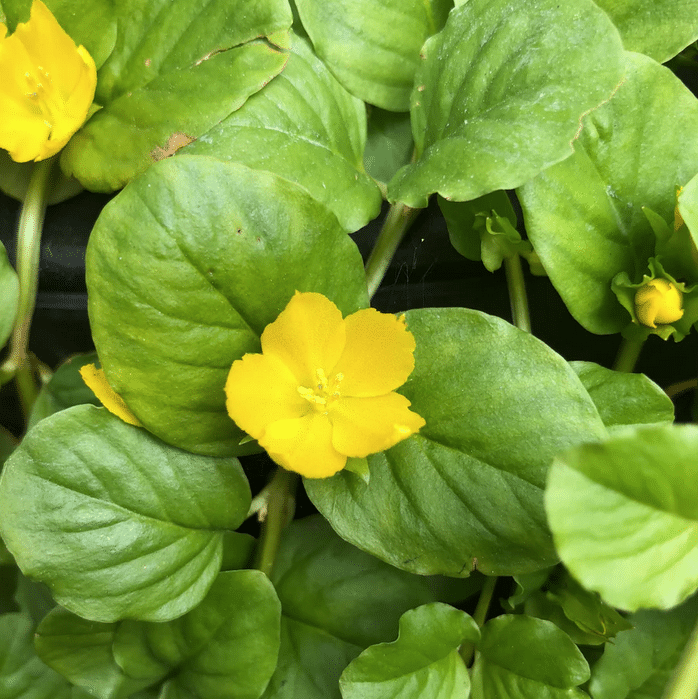
Water lilies are among the most enchanting plants found in ponds, lakes, and quiet wetlands. Their beautiful floating leaves and colorful flowers often appear simple at first glance, but beneath the surface lies a fascinating world of adaptation, biodiversity, and ecological importance. Discovering the Hidden World of Water Lilies reveals how these remarkable aquatic plants survive, support wildlife, and add beauty to natural environments.
The Beauty of Water Lilies
Water lilies are best known for their broad, round leaves that float gracefully on the surface of the water. Their flowers can appear in shades of white, pink, yellow, red, and purple, depending on the species.
Many water lilies open their flowers during the day, attracting bees, butterflies, beetles, and other pollinators. Some varieties are also known for their pleasant fragrance, making them a popular feature in ornamental ponds and gardens.
A Plant Designed for Life on Water
Unlike plants that grow on land, water lilies have developed special features that allow them to thrive in aquatic environments. Their long stems connect the floating leaves and flowers to roots anchored in the muddy bottom of a pond or lake.
The leaves contain tiny openings called stomata, mostly located on their upper surfaces. This unusual arrangement allows the plant to exchange gases with the air while the underside remains in contact with the water.
The Hidden Life Beneath the Surface
When people admire a water lily, they usually notice the flower and leaves. However, much of the plant’s activity takes place underwater. Its roots and stems provide shelter for small aquatic organisms and contribute to the structure of the underwater ecosystem.
Fish, frogs, insects, and other small creatures can use the spaces around water lilies for protection. The dense underwater growth may also provide areas where aquatic animals can feed, hide, and reproduce.
Discovering the Hidden World of Water Lilies means looking beyond their attractive flowers and appreciating the complex relationships they create within their environment.
Water Lilies and Their Role in Nature
Water lilies can play an important role in healthy aquatic ecosystems. Their large floating leaves provide shade, which can help reduce the amount of sunlight reaching the water below. This can influence water temperature and the growth of certain aquatic organisms.
Their roots and stems also interact with nutrients and sediments in the pond. As part of a larger ecosystem, water lilies contribute to habitats that support a wide range of living organisms.
A Home for Wildlife
The surface of a pond covered with water lilies can become a miniature habitat. Frogs may rest on the leaves, insects can visit the flowers, and fish may shelter beneath them. Birds and other animals can also benefit indirectly from the life supported by these plants.
This connection between plants and wildlife demonstrates why aquatic vegetation is an important part of natural wetlands and freshwater environments.
Cultural and Historical Significance
Water lilies have fascinated people for centuries. Their elegant appearance has inspired artists, photographers, gardeners, and writers around the world.
One of the most famous artistic connections is the series of water lily paintings created by French Impressionist painter Claude Monet. His paintings captured the changing light, reflections, and colors of water gardens, helping make water lilies an enduring symbol of beauty and tranquility.
In gardens and parks, water lilies continue to be used to create peaceful landscapes and attract attention to ponds and other water features.
Protecting the World of Water Lilies
Although water lilies are resilient plants, the ecosystems where they grow can be affected by pollution, habitat destruction, invasive species, and changes in water quality. Protecting wetlands and freshwater habitats is therefore essential for preserving the plants and animals that depend on them.
Gardeners can also help by selecting appropriate aquatic plants and avoiding the uncontrolled introduction of non-native species into natural waterways.
Why These Plants Matter
Water lilies are more than decorative flowers floating on a pond. They are living parts of freshwater ecosystems that interact with insects, fish, amphibians, microorganisms, and other plants.
By Discovering the Hidden World of Water Lilies, we gain a greater appreciation for the delicate balance of life beneath and above the water’s surface. Their beauty invites us to look closer, while their ecological role reminds us of the importance of protecting aquatic habitats.
Conclusion
Water lilies combine beauty, adaptability, and ecological value in a single remarkable plant. From their floating leaves and colorful blossoms to their hidden roots and connections with wildlife, they offer much more than meets the eye.
The next time you see a water lily resting peacefully on a pond, take a moment to look beyond the flower. Discovering the Hidden World of Water Lilies can turn an ordinary glimpse of a pond into an opportunity to appreciate one of nature’s most fascinating aquatic plants.

