





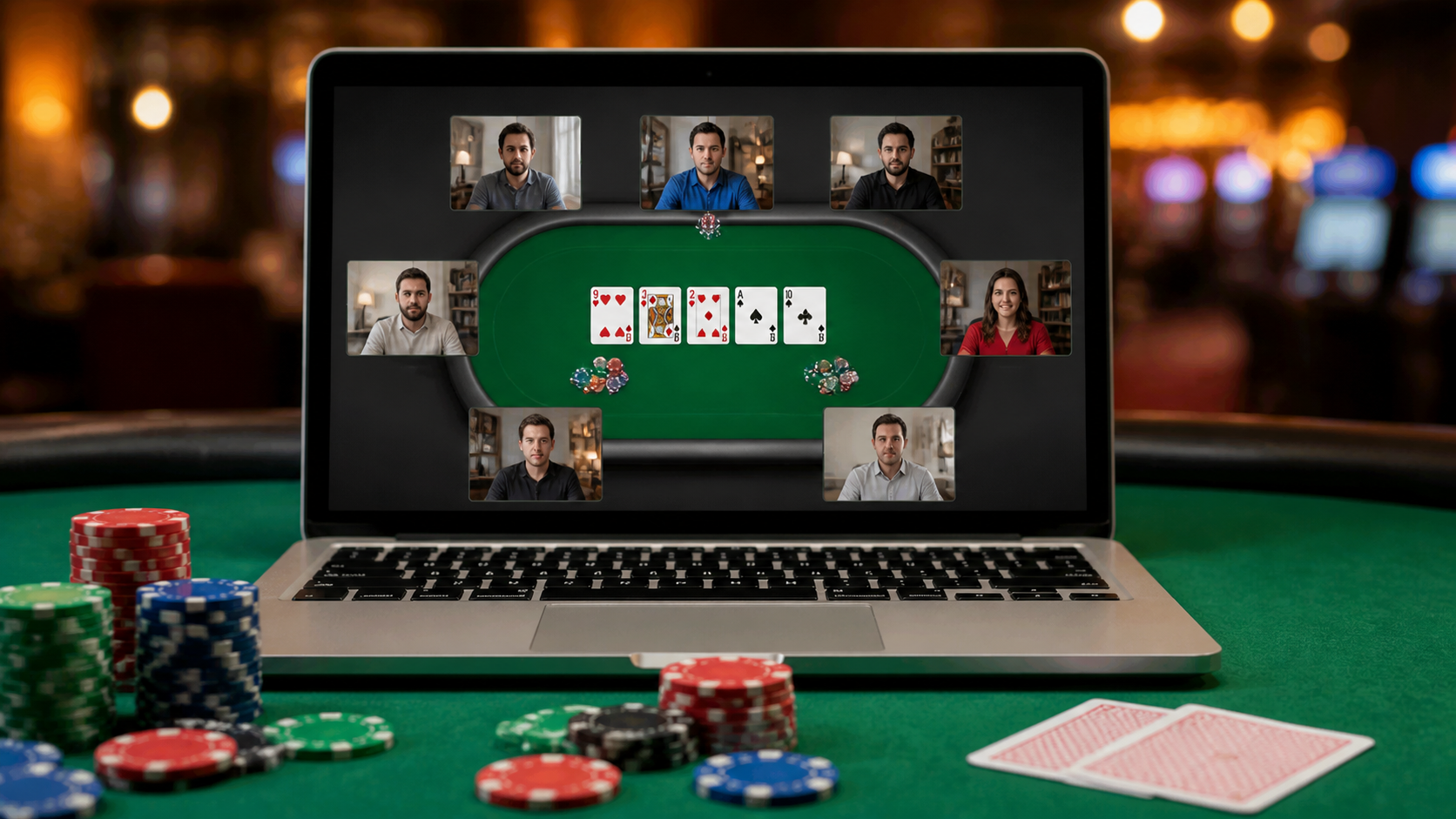
Online poker games have become a familiar part of modern gaming because they combine strategy, patience, and quick decision-making in a format that is easy to access from home or on the move. For many players, the appeal is not only the chance to compete against others, but also the variety of tables, formats, and stakes that can suit different preferences and experience levels.
What makes poker especially interesting online is that it still rewards observation and discipline, even though the setting has changed. The same core skills matter: knowing the rules, understanding table dynamics, managing your bankroll, and staying calm when a hand does not go your way. If you are considering where to start or how to improve, it helps to look beyond the surface and focus on how the game works in a digital environment.
Understanding How Online Poker Works
At its core, online poker follows the same hand rankings and betting principles as traditional poker. Players receive cards, place bets through structured rounds, and compete to make the strongest hand or convince others to fold. The biggest difference is the format: instead of sitting at a physical table, you are using software or a browser-based platform to join a game.
That shift changes the pace and the experience. Hands often move faster, tables can be joined more easily, and players may switch between formats without much delay. This can be convenient, but it also means the game demands focus. In a live room, you may rely more on physical tells and table presence. Online, you tend to depend more on betting patterns, timing, and decision-making under pressure.
Common formats players encounter
Different platforms may offer a wide range of poker variations, but a few formats are especially common:
- Cash games, where chips represent real value and players can leave when they choose
- Tournaments, where the field plays until one winner remains or prize positions are reached
- Sit-and-go games, which begin when enough players register
- Fast-fold styles, which quickly move you to a new hand after folding
Each format creates a different rhythm. Cash games reward patience and table selection, while tournaments often demand deeper stack management and adaptability as blinds increase. Sit-and-go games sit somewhere in between, giving players a compact session with clear structure.
Why Players Are Drawn to the Digital Table
People are often attracted to online poker games because they make it easier to participate regularly. You do not need to travel, wait for a seat, or plan around a venue’s schedule. That convenience alone has helped poker remain accessible to casual players and more serious competitors alike.
Another reason is flexibility. Online platforms usually let players choose stake levels and formats that match their comfort zone. Someone who wants a short session can find that. Someone who prefers longer strategic play can find that too. This variety is one reason the game appeals to such a wide audience.
Convenience and control
Online play gives users more control over how they approach the game. They can review hand histories, move between tables, and pause between sessions in ways that may be harder in live play. For a beginner, that can reduce pressure. For a more experienced player, it can create opportunities to study patterns and refine strategy.
That said, convenience can also become a challenge if it leads to rushed decisions. Because the game is always available, it is wise to set personal boundaries before sitting down. A clear plan often helps players avoid playing longer than intended or chasing losses after a difficult stretch.
What to Look for Before Joining a Game
Choosing where and how to play is an important part of the experience. Not every poker room offers the same table selection, player pool, or interface quality. A good starting point is to think about what matters most to you: game variety, ease of use, pace, or community size.
It is also sensible to read the table rules carefully. Some games may use different blind structures, timers, or registration options. If you are unsure about a format, starting with lower-pressure games can make the learning curve much easier.
Practical factors to compare
- How easy the lobby is to navigate
- Whether the interface is clear on desktop or mobile
- What game types and stakes are available
- How quickly tables fill and start
- Whether hand histories or session tools are available
These details may seem small, but they affect the quality of the experience. A clean layout helps you focus on decisions rather than menus. A stable platform reduces distraction. A suitable table selection can make the difference between a frustrating session and one that feels comfortable and well-paced.
If you want to compare options before committing time to a particular site, a useful place to start is online poker games, where you can look at different poker-related choices in a more organized way.
Strategy, Discipline, and Table Awareness
Skill matters in poker, but skill is not only about making bold moves. Good play often comes from restraint, pattern recognition, and an ability to adapt. In online settings, that usually means paying attention to betting size, position, table flow, and how often opponents enter pots.
Because online players may act faster than in live games, it helps to build a simple decision framework. Instead of reacting emotionally to every hand, think in terms of ranges, position, and stack depth. You do not need to overcomplicate your approach, but you do need a method that keeps your choices consistent.
Helpful habits for steadier play
- Play fewer weak hands from early position
- Avoid chasing every marginal draw
- Pay attention to how often opponents raise or call
- Take short breaks when focus starts to fade
- Set a session limit before you begin
These habits may not sound dramatic, but they can improve decision quality over time. Poker sessions often turn on small edges rather than single big moments. The players who stay disciplined usually give themselves a better chance of making thoughtful choices across many hands.
It also helps to remember that variance is part of the game. Even strong decisions can lose in the short term. A measured mindset is more useful than trying to force immediate results. That perspective can make online poker feel less frustrating and more analytical.
Playing Responsibly and Keeping the Experience Enjoyable
Because online poker games are easy to access, it is important to approach them with clear limits. Poker should remain a form of entertainment and competition, not something that creates pressure in your daily life. A practical budget, a set time window, and a calm mindset can all help keep the experience healthy.
It is also worth separating learning from expectation. Newer players sometimes assume that one strong session means they have mastered the game, or that a rough run means the opposite. In reality, poker unfolds over many decisions, and results can vary widely from one session to the next. Focusing on process rather than outcome usually leads to better habits.
If you notice that the game is no longer fun, stepping away is often the most sensible move. The strongest players are not only the ones who understand the cards; they are also the ones who know when to pause, review, and return with a clearer head.
Conclusion: Making Smarter Choices at the Virtual Table
Online poker works best when players treat it as a skill-based game that rewards preparation, observation, and self-control. The convenience of digital play makes it easy to join a table, but the real value comes from understanding the format, choosing games carefully, and developing steady habits over time.
Whether you are exploring poker for the first time or refining an existing approach, the most useful mindset is a balanced one. Learn the structure, keep your expectations realistic, and focus on making solid decisions hand by hand. That approach tends to make the experience more rewarding, and it gives you a better foundation for whatever table you choose next.

