





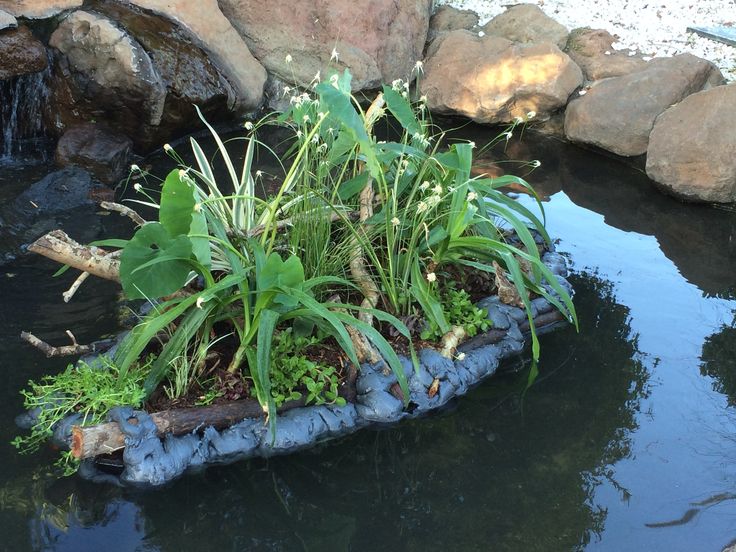
Adding pond plants transforms a standard water feature into a vibrant, self-sustaining ecosystem. Beyond their immediate visual appeal, aquatic plants are the biological engine of any healthy backyard pond. They absorb heavy nutrients, filter organic pollutants, prevent single-celled algae blooms, and offer protection for local wildlife and aquatic species. Constructing a successful water garden relies on selecting a well-balanced mix across four functional vegetation categories, each serving a distinct ecological role.
The Four Essential Categories of Pond Vegetation
1. Oxygenating Submerged Plants Submerged oxygenators live entirely beneath the water’s surface, anchored in pots or growing freely along the bottom silt. During sunlight hours, they absorb dissolved carbon dioxide, nitrates, and heavy metals while releasing fresh oxygen directly into the water. This process creates a healthy atmosphere for fish and supports aerobic bacteria that break down organic waste.
- Top Recommendations: Hornwort (Ceratophyllum demersum) and Anacharis (Egeria densa).
2. Floating Plants Floating species drift freely without taking root in soil, absorbing nitrogen directly through long, submerged root systems. Their primary job is blocking direct sunlight from reaching the deeper sections of the pond, starving opportunistic green algae of light. Additionally, their dangling roots form crucial hiding spots for small fish fry and delicate organisms.
- Top Recommendations: Water Lettuce (Pistia stratiotes) and Water Hyacinth (Eichhornia crassipes).
3. Deep Water Aquatics Deep-water plants sit rooted in submerged containers at the bottom of the basin, sending long stems up to display floating foliage and large, showy blossoms. The expansive leaves shield the water from extreme summer heat, stabilizing overall temperatures and preventing thermal shock for fish.
- Top Recommendations: Hardy Water Lilies (Nymphaea), Lotus (Nelumbo), and Yellow Floating Heart (Nymphoides peltata).
4. Marginal and Bog Plants Positioned around shallow shelf areas or wet muddy banks, marginal plants transition the wet center of your pond to dry surrounding land. Because they grow rapidly, marginals act as aggressive nutrient sponges, extracting excess runoff before algae can feed on it. They also anchor soft shorelines and create shelter for frogs and dragonflies.
- Top Recommendations: Blue Flag Iris (Iris versicolor), Pickerelweed (Pontederia cordata), and Horsetail Reed (Equisetum hyemale).
Plant Placement, Coverage, and Maintenance
Building a sustainable pond requires strategic placement and ongoing seasonal upkeep. Aim to cover 50% to 60% of the total water surface with floating leaves and broad lily pads. If too much sunlight hits open water, nuisance string algae will quickly take over. Conversely, overpacking the surface prevents light from reaching submerged oxygenators, interrupting the natural oxygen cycle.
- Use Heavy Aquatic Soil: Always plant non-floating species in heavy, clay-based aquatic soil using heavy-duty mesh baskets. Avoid standard potting soil mixtures that contain perlite or peat moss, as these materials float, erode quickly, and pollute clear water.
- Regular Pruning Routine: Cut back yellowed stems, decaying leaves, and faded blossoms before they break off and sink. Decaying vegetation turns into bottom muck, releasing unwanted ammonia and phosphates as it breaks down.
- Control Overgrowth: Fast-growing floaters and marginals need periodic thinning throughout the spring and summer. Skim excess floating foliage every few weeks, and divide overgrown root clumps in early spring to maintain proper air and water circulation.
Balancing these four plant groups turns a plain water basin into a clean, low-maintenance biological system that thrives naturally through changing seasons.

